The Silent Architecture of Kyoto's Hidden Temples
A contemplation on cedar joinery, raked gravel courtyards, and the intentional mastery of shadow in Kansai's ancient capital.
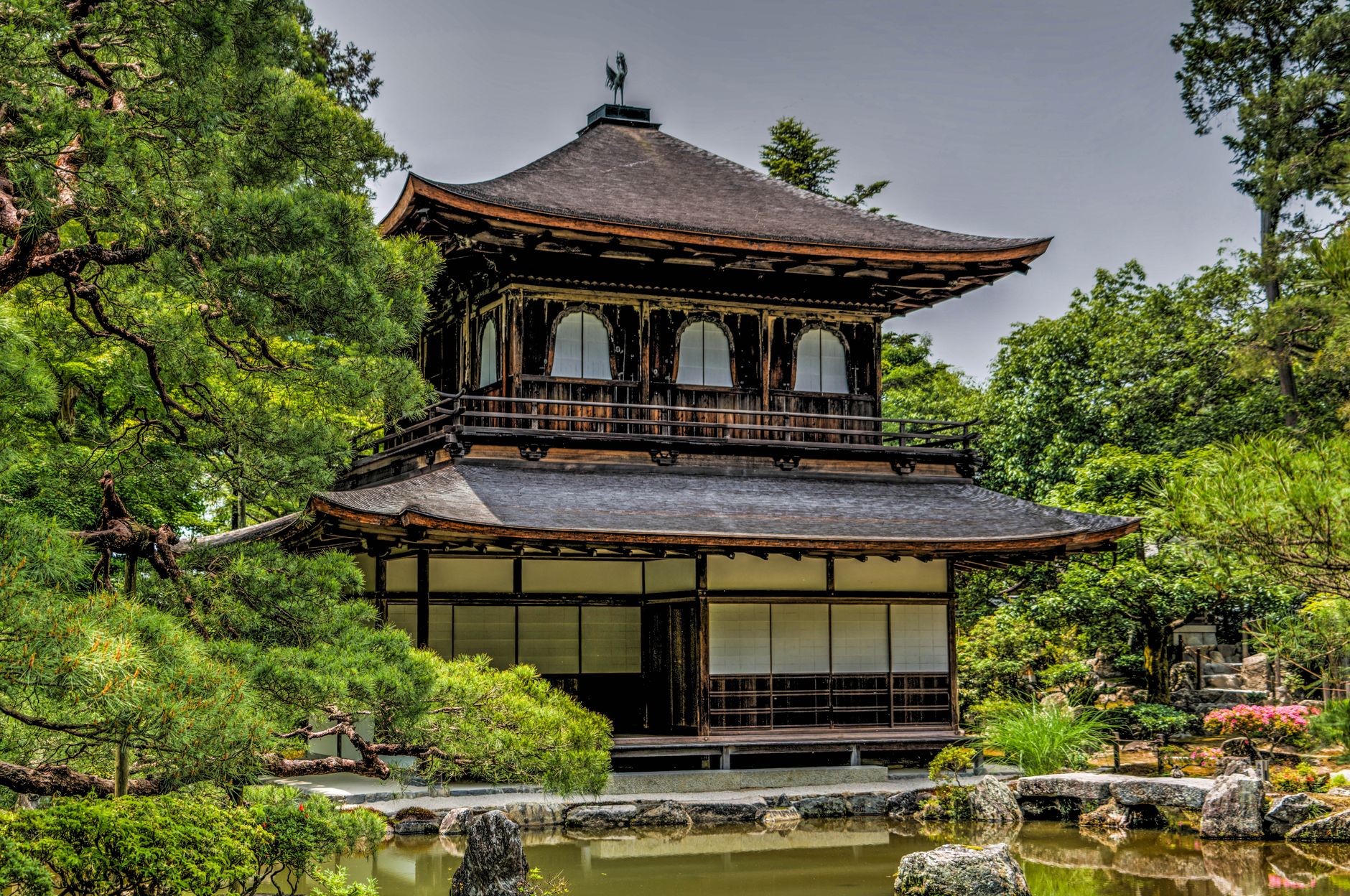
When morning fog lingers over the hills of Higashiyama, Kyoto awakens not with the clamor of a global metropolis, but with the rhythmic sweep of bamboo brooms against moss. Away from the heavily trodden lanes of Gion, there exist sub-temples where centuries of Zen aesthetics remain undisturbed. Here, architecture is not an imposition upon the earth, but a permeable frame designed to capture the transition of light, rainwater, and wind.
The Mathematics of Sukiya-Style Joinery
In classical Japanese timber building, nails are consciously absent. Master carpenters (Miyadaiku) employ intricate interlocking joints that allow hinoki cedar timbers to breathe, contracting and expanding with the seasonal humidity shifts of Kansai. This structural flexibility has allowed structures such as Daitoku-ji's subsidiary pavilions to withstand earthquakes and typhoons for more than four hundred years.
“To understand the temple, one must understand the veranda (engawa). It is neither interior nor exterior, but a conscious third space that reconciles human shelter with nature.”
Shadow as a Deliberate Aesthetic Material
As Jun'ichiro Tanizaki noted in his seminal work on Japanese design, beauty does not reside in the object itself, but in the patterns of shadows, the light and the darkness, that one object creates against another. In Kyoto's temple rooms, deep eaves block harsh glare, allowing only indirect reflections from gravel raking to gently illuminate gold-leaf sliding fusuma panels.
- Engawa Thresholds: Transition zones connecting tatami meditation halls with external gravel sandbars.
- Karesansui Dry Gardens: Abstract stone arrangements symbolizing cosmic balance, requiring daily ritual raking.
- Wabi-Sabi Aesthetics: Reverence for weathering, lichen patches on granite basins, and imperfect clay walls.
Sitting upon cold cedar floorboards in the late afternoon, with nothing to observe but the gradual shifting of shadows across pristine rock compositions, one rediscovers a profound sense of cadence. Travel, at its purest, is an act of listening rather than capturing.