High Altitudes, Wild Foraging: The Flavors of South Tyrol
Exploring the alpine kitchen of Northern Italy, where steep limestone pastures and wild forests cultivate culinary excellence.
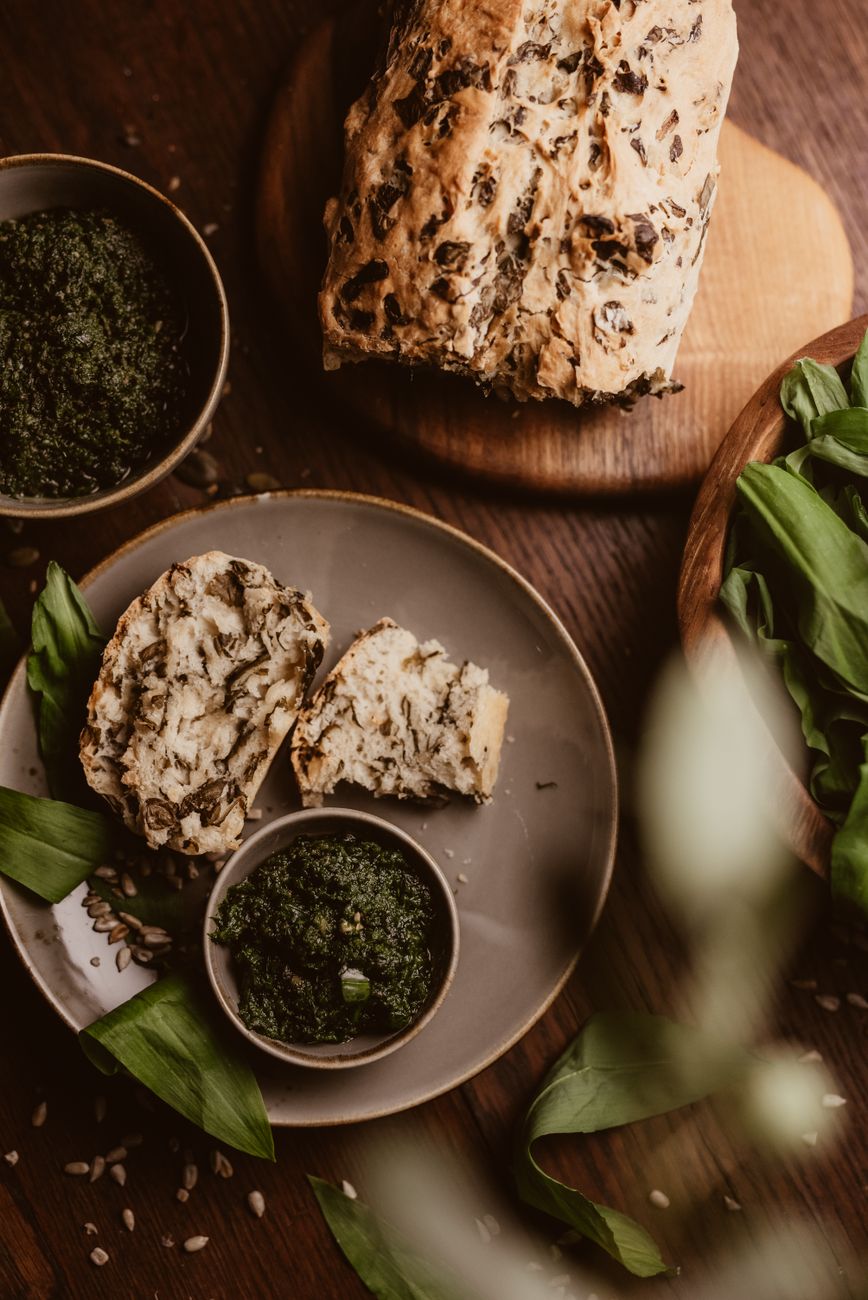
Above two thousand meters in South Tyrol, where the German, Italian, and Ladin worlds intersect, life has historically been governed by rigorous mountain seasons. What was once austere survival food—cured meats, rye flatbreads, and pickled roots—has evolved into one of the most innovative and conscientious culinary traditions in Europe today.
Botanical Diversity of the High Meadows
In late summer, the steep pastures of the Val Badia explode with wild flora. Local chefs work alongside experienced botanical foragers, collecting mountain sorrel, sweet cicely, wild caraway, and young mountain pine cones (mugo pine). These are transformed into aromatic broths, vinegars, and herbal salts that define contemporary alpine gastronomy.
“The mountain provides everything we require. Our duty as cooks is not to alter the forest, but to preserve its raw essence on the ceramic plate.”
Pasture Cheeses and Ancient Grain Restoration
High-altitude dairy farms continue to utilize copper cauldrons heated over wood flames to curdle raw summer milk. The cows graze on hundreds of diverse wild herbs and mineral-rich grass varieties, imparting complex floral and hazelnut notes to aged hard cheeses like Graukäse.
- Schüttelbrot: Crisp rye bread spiced with fennel seeds and trigonella, dried upon high racks.
- Mugo Pine Infusions: Resinous herbal elixirs harvested during the brief alpine summer.
- Artisanal Graukäse: Fat-free curd cheese aged with rennet-free natural souring.
To dine in an alpine malga at dusk, as alpenglow warms the Pale Mountains, is to experience geography translated directly into sustenance. It reminds us that luxury in gastronomy is not rare caviar imported by air, but absolute terroir harvested on foot.