Crossing the Untamed Steppes of Argentine Patagonia
A fourteen-day expedition navigating fierce katabatic winds, glacial moraines, and the profound solitude of Santa Cruz province.
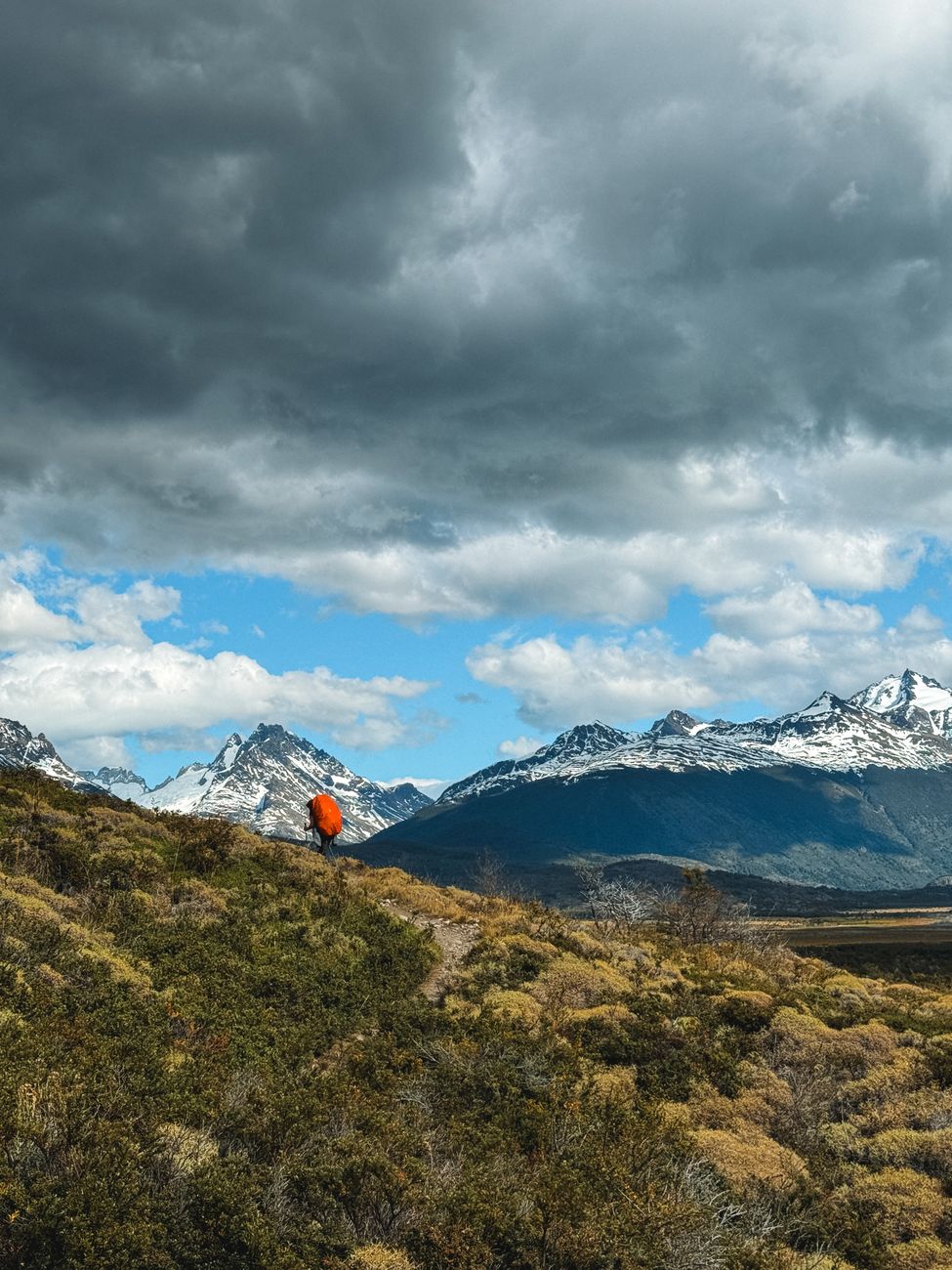
Few landscapes on Earth possess the humbling physical presence of Southern Patagonia. Across the vast gravel deserts of Santa Cruz province, the wind is not a passing meteorological event; it is a permanent geological architect. It shapes calafate bushes into dense shields, scours the steppe of loose soil, and rushes relentlessly off the Southern Patagonian Ice Field toward the Atlantic Ocean.
The Solitude of the Estancias
Traversing this territory requires self-sufficiency. Between isolated sheep estancias separated by hundreds of kilometers, human presence dissolves entirely. In these outposts, gaucho culture remains rooted in horse husbandry, cast-iron woodstoves, and the endless consumption of yerba mate poured from brass-lined gourds.
“In Patagonia, distance ceases to be measured in kilometers. It is measured in hours of wind resistance and the temperature of oncoming rain.”
Navigating the Glacial Moraines
Ascending toward the continental ice sheet brings immediate proximity to immense bodies of ancient ice. The Perito Moreno and Viedma glaciers creak with deafening resonance as seracs calve into glacial lakes, sending shockwaves through the frigid water. Here, one observes geological time operating at accelerated speed.
- Guanaco Herds: Agile wild camelids navigating steep shale screes along the Andes perimeter.
- Katabatic Airflows: Sudden, high-velocity squalls descending from high glacial plateaus.
- Subpolar Forests: Stunted lenga and ñire trees draped with old man's beard lichen.
Stepping back onto the dry gravel road after two weeks in the backcountry, the civilized world seems strangely fragile. Patagonia leaves an indelible imprint upon the traveler: a lasting reverence for wild, indifferent expanses that will endure long after our footprints disappear.